Amid the unresolved border skirmish that resulted in hostility between Ethiopia and Eritrea, the frequency of Eritreans flowing to Ethiopia to seek asylum is increasing day by day.
But what has become more shocking to the United Nations High Commissioner for Refugees (UNHCR) is the influx of unaccompanied Eritrean children to Ethiopia despite heavy security across the northern Ethio-Eritrean border.
Last month, the UNHCR said that Ethiopia is hosting the largest number of refugees in Africa, taking over from neighboring Kenya. Though South Sudanese refugees are the highest in number with over 247,000 currently living on Ethiopian soil, the number of Eritreans crossing the Ethiopian border via Tigray and Afar regional states is alarmingly increasing, the UNHCR's Ethiopian office told The Reporter.
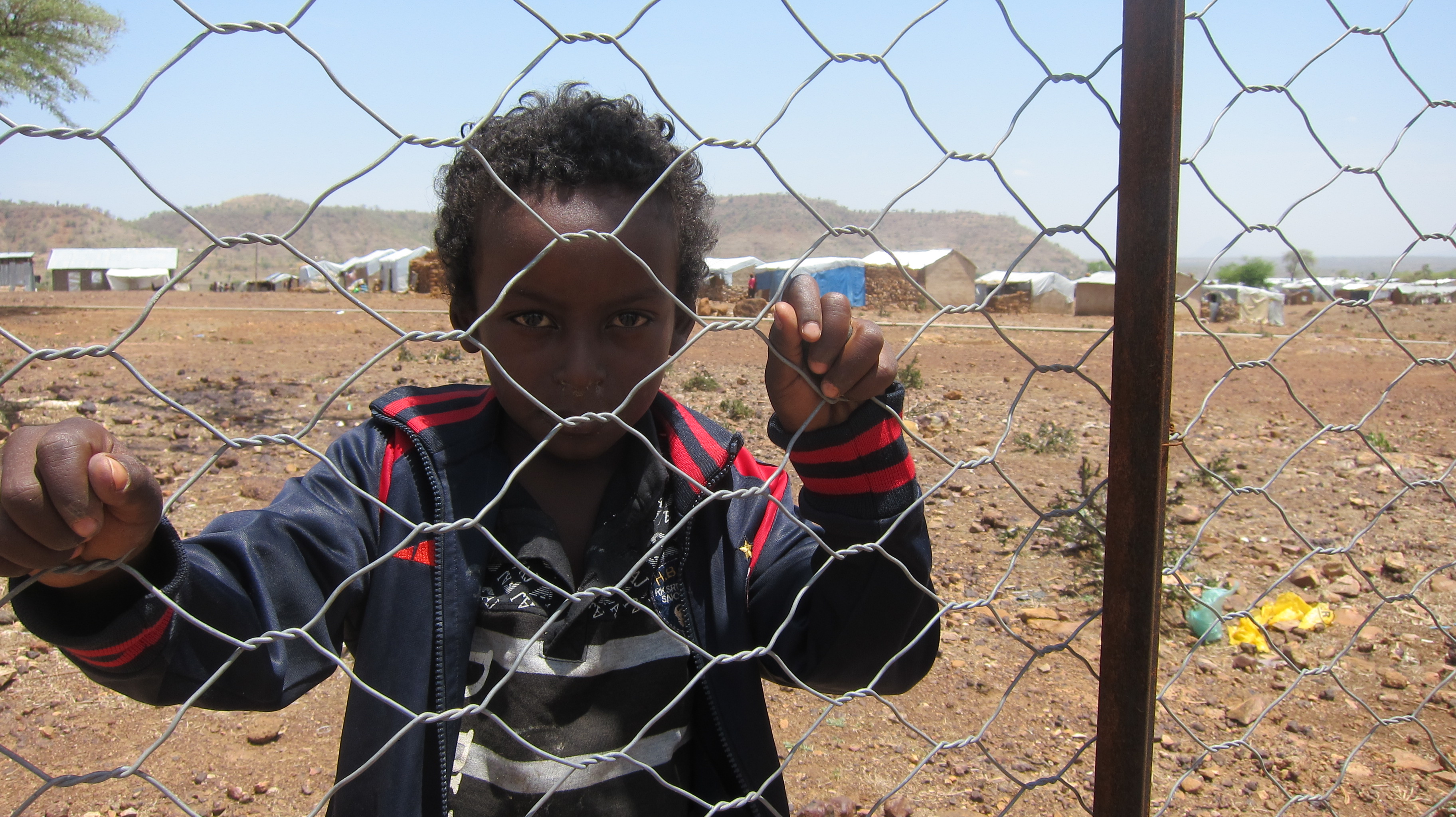
According to Kisut Gebregziabher, spokesperson of UNHCR-Ethiopia, since last March of this year an average of 2,000 Eritreans have been crossing the Ethiopian border and have settled in refugee camps in the Tigray Regional States. But what is most shocking, according to Kisut, is the influx of unaccompanied children. The minors, who are only five to eight years old, are coming to Ethiopia by themselves. This reality has shocked even the top officials of UNHCR while they visited refugee centers in the north last month.
Reports also indicated that Eritrean refugees, including unaccompanied minors who continue to arrive in increasing numbers, tend to move on from Ethiopia to a third country, a situation which presents a major challenge in providing protection.
Unlike South Sudan and Somalia, that are griped by internal conflicts, the Eritrean case remains a different concern as there is no war in their homeland.
Kisut told The Reporter that a taskforce has already been established to deal with the issue of children refugees. The taskforce also works in collaboration with other partners.
According to the June 2014 UNHCR report, at present, there are 247,000 South Sudanese refugees in Ethiopia, making them the largest refugee population in the country. They are followed by Somalis (245,000) and Eritreans (99,000). Over the last seven months, nearly 15,000 Eritreans and more than 3,000 Somalis have arrived to Ethiopia.
Due to its geographical position, as well as environmental and geo-political developments in the region, Ethiopia is likely to continue to receive asylum-seekers from neighboring countries in 2014 and 2015, a report by the World Food Program stated. The country has a history of receiving people displaced by cross-border movements due to droughts, conflicts, political events and civil wars in neighboring countries, including Eritrea, Somalia, South Sudan and Sudan, according to UNHCR.http://allafrica.com/
Ethiopia: Unaccompanied Eritrean Minors' Influx Shocks UN Officials
Amid the unresolved border skirmish that resulted in hostility between Ethiopia and Eritrea, the frequency of Eritreans flowing to Ethiopia...


